
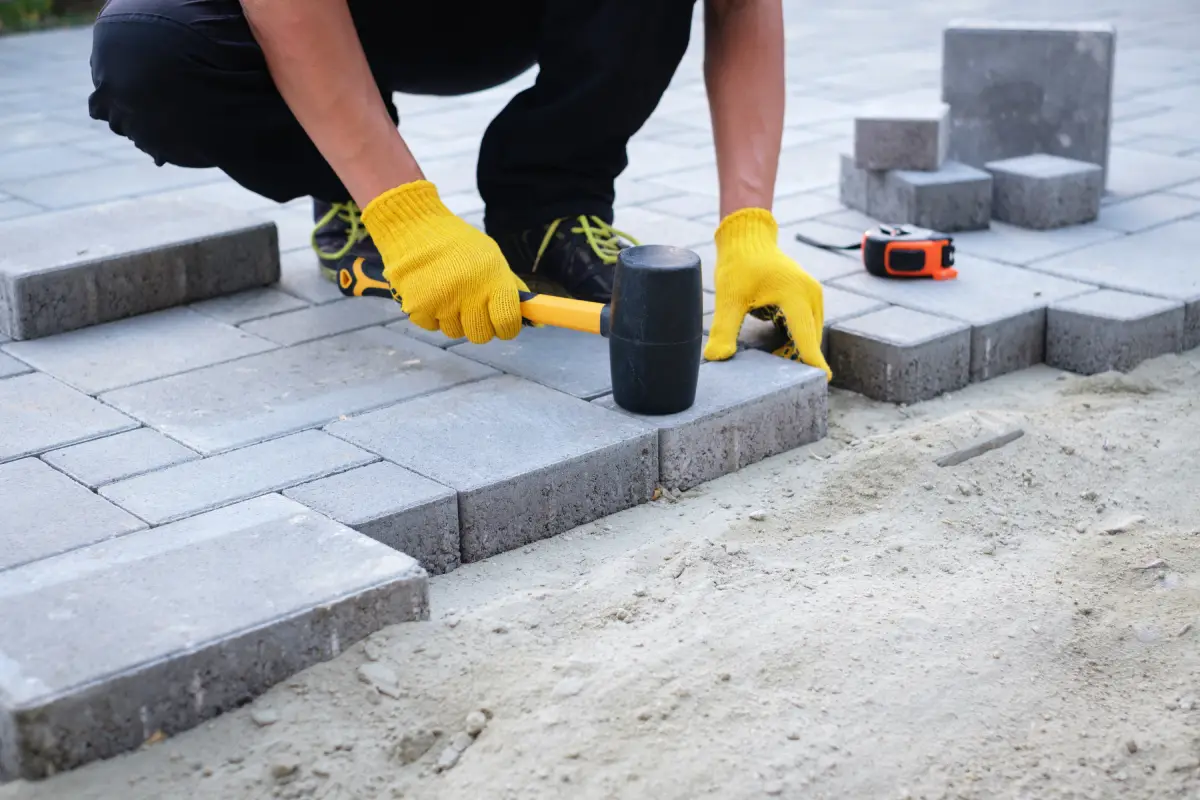
A renovation can make a rental property stand out today while creating larger expenses tomorrow. Many owners focus on visual appeal when planning upgrades, yet some of the most expensive improvements lose value quickly after a few tenant cycles.
In Murray, rental properties experience constant use, seasonal weather changes, and routine turnover. As a result, durability often matters more than luxury. Property owners reviewing smart rental technology trends are increasingly looking for improvements that reduce maintenance demands while preserving tenant appeal.
The key is understanding which renovations continue delivering value years after installation and which ones become recurring expenses.
Key Takeaways
- Durable materials often outperform luxury finishes in rental properties.
- High-maintenance upgrades can increase turnover and repair costs.
- Trend-driven renovations may lose appeal faster than expected.
- Standardized fixtures simplify future maintenance and replacements.
- Practical improvements usually support stronger long-term returns.
Why Some Expensive Upgrades Underperform
Many renovations look impressive during showings because they are brand new. The challenge begins after tenants move in and normal wear starts to accumulate.
Scratches, moisture exposure, furniture movement, and everyday use can shorten the lifespan of certain premium materials. Owners who evaluate improvements based only on appearance may overlook the future costs associated with repairs, replacements, and maintenance.
Current rental demand remains relatively steady, with the national rental vacancy rate reaching 7.1% in Q3 2025. While competition for tenants remains important, choosing upgrades that balance appearance and durability often produces better financial results over time.
Hardwood Flooring Can Become a Costly Commitment
Hardwood flooring consistently ranks among the most desired finishes in residential properties. Its appearance can elevate a listing and attract interest from prospective renters.
However, rental homes experience conditions that can accelerate wear. Moving furniture, pet activity, dropped items, and repeated occupancy often lead to scratches and dents.
Owners researching building security improvements frequently discover that practical upgrades sometimes create more value than premium finishes that require extensive upkeep.
A More Practical Flooring Alternative
Luxury vinyl plank continues gaining popularity because it offers:
- Strong resistance to scratches
- Better moisture protection
- Easier turnover preparation
- Lower replacement costs
Replacing damaged sections is usually simpler than refinishing an entire hardwood floor, helping owners control long-term expenses.
Premium Carpet Often Has a Shorter Lifespan
High-end carpet can make a property feel comfortable and inviting. Unfortunately, rental conditions often shorten its useful life.
Heavy foot traffic, spills, furniture movement, and routine cleaning can quickly reduce its appearance. Entryways, hallways, and living rooms typically show the earliest signs of wear.
Many investors review property repair responsibilities when evaluating renovation budgets because maintenance costs directly affect profitability.
Hidden Costs of Carpet
Premium carpet frequently requires:
- More frequent replacement
- Professional cleaning between tenants
- Additional stain treatment
- Odor removal services
Hard-surface flooring options often provide stronger long-term value because they withstand repeated occupancy more effectively.
Custom Cabinet Finishes Can Be Difficult to Maintain
Custom cabinetry creates a polished appearance in kitchens and bathrooms. Yet the more specialized the finish becomes, the harder it may be to maintain years later.
Painted surfaces often chip around handles and edges. Specialty colors may become unavailable. Matching existing finishes after repairs can require repainting large sections instead of making simple touch-ups.
Property owners who focus on smarter floor plan choices often prioritize functionality and durability rather than highly customized design features.
Why Simpler Styles Age Better
Neutral cabinet designs typically:
- Require fewer cosmetic repairs
- Appeal to a wider tenant audience
- Remain attractive longer
- Simplify future updates
The goal is to create a space that continues looking fresh after multiple turnovers.
Designer Fixtures Can Increase Maintenance Challenges
Specialty light fixtures, decorative hardware, and custom faucets often create maintenance issues that aren't obvious during installation.
Replacement parts can become difficult to locate. Matching finishes may be discontinued. Repair technicians may spend additional time sourcing components and completing repairs.
According to the U.S. Energy Information Administration, lighting accounts for approximately 3.4% of electricity use in American homes. Because fixtures operate daily, durability should play a major role in renovation decisions.
Many successful landlords standardize fixtures throughout their properties to simplify repairs and reduce replacement costs.
Trend-Focused Kitchens Often Date Quickly
Design trends change rapidly. What feels modern today can appear outdated within only a few years.
Bold cabinet colors, highly decorative backsplashes, and ultra-modern finishes sometimes limit future appeal. When repairs become necessary, finding matching materials can become difficult and expensive.
Property owners using a rental performance analysis frequently discover that timeless upgrades deliver stronger returns than trend-driven renovations.
Focus on Longevity Instead of Trends
Timeless kitchens generally include:
- Neutral color palettes
- Durable countertop materials
- Functional layouts
- Easy-to-clean surfaces
These features remain attractive across changing renter preferences and help reduce future renovation costs.
Built-In Features Can Reduce Flexibility
Custom-built-ins may seem like valuable additions, but they often create limitations for future tenants.
A built-in desk may suit one renter while feeling restrictive to another. Fixed shelving systems can interfere with furniture placement. Entertainment centers designed for specific equipment may quickly become obsolete.
Common Drawbacks
Built-in features frequently create:
- Layout restrictions
- More complex repairs
- Limited adaptability
- Narrower tenant appeal
Flexible spaces generally attract a broader audience because renters can personalize the layout to fit their needs.
Luxury Bathrooms Often Require Constant Attention
Bathrooms are one of the most heavily used areas in any rental property. High-end finishes can become expensive to maintain when exposed to daily use.
Frameless glass showers, premium fixtures, and specialty surfaces often require ongoing cleaning and maintenance. Water spots, mineral buildup, and normal wear can diminish their appearance over time.
Owners who leverage investment planning tools often evaluate maintenance costs alongside renovation expenses to determine true return on investment.
Many landlords also benefit from professional owner support services that help identify upgrades capable of balancing tenant satisfaction with operational efficiency.
Durable Materials Usually Perform Better
Practical bathroom materials often provide:
- Easier cleaning
- Lower repair costs
- Readily available replacement parts
- Longer service life
These advantages become increasingly valuable as properties move through multiple tenant cycles.
FAQs about Rental Renovation Decisions in Murray, UT
How can I determine whether a renovation will improve rental income?
Compare projected rent increases with expected maintenance, repair, and replacement costs. Improvements that remain durable through multiple tenant turnovers often generate stronger long-term financial performance.
Should rental properties avoid premium finishes entirely?
Premium materials can still provide value when they offer durability and functionality. The most successful upgrades typically balance appearance, longevity, and ease of maintenance.
Why do trend-based renovations create challenges for landlords?
Trends change quickly, which can make certain designs feel outdated within a few years. Repairs also become more expensive when specialty materials are no longer available.
What types of flooring usually work best in rentals?
Many landlords prefer durable hard-surface flooring because it handles heavy traffic well, requires less maintenance, and often lasts longer than carpet in rental environments.
How often should owners review renovation strategies?
Property owners should assess renovation performance regularly, especially during turnovers. Reviewing maintenance records can reveal which upgrades continue providing value and which generate recurring expenses.
Where Long-Term Rental Value Really Comes From
Rental success is rarely determined by the most expensive finish in the property. Consistent performance usually comes from upgrades that withstand daily use, reduce maintenance demands, and remain appealing through multiple tenant turnovers. When renovation decisions are guided by durability and practicality, owners often gain greater control over operating costs and fewer surprises between leases.
For Murray investors, every improvement should support the property's ability to perform well year after year. Choosing materials that are easier to maintain, repair, and replace can help preserve cash flow while creating a better experience for tenants.
At PMI Wasatch Front, we help property owners evaluate maintenance strategies, renovation priorities, and long-term asset performance. Optimize your maintenance approach with PMI Wasatch Front and position your rental for stronger results in the years ahead.